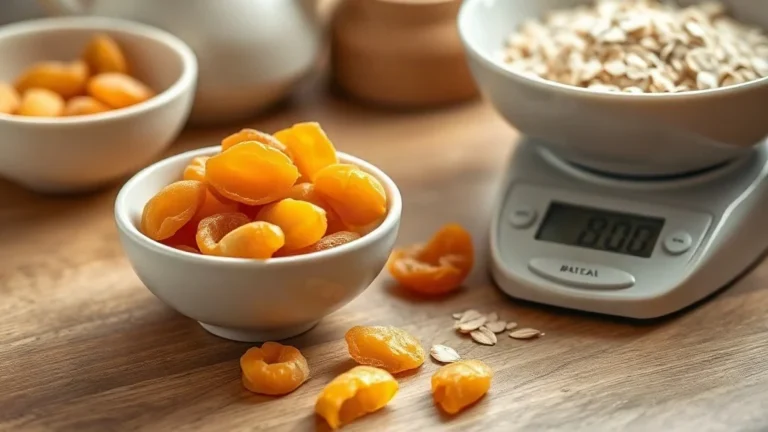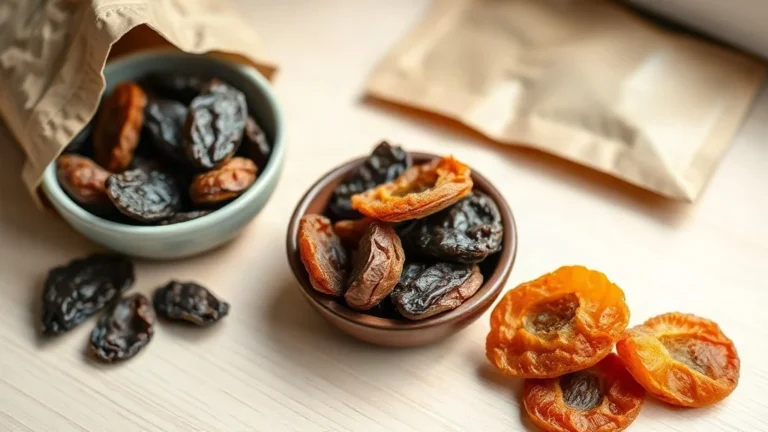
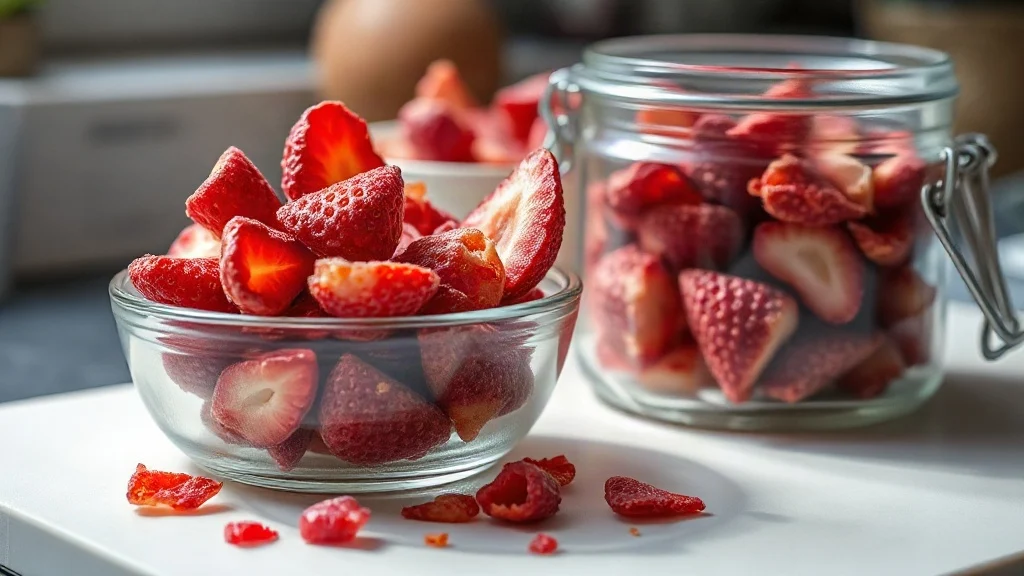
Freeze dried fruit is fruit frozen and dried under vacuum, leaving lightweight pieces with a crisp texture and concentrated flavor. Buy it for convenient snacking or adding fruit to meals without extra liquid. Check the ingredients, compare prices by weight, and protect the opened bag from moisture to keep its crunch.
The practical question is whether you will use the bag before it turns soft. Whole pieces suit snacking, while broken pieces and powder often work better in cooking. Choosing the right form can save more money than buying the biggest package.
What makes freeze dried fruit crisp?
Freeze-drying removes water from frozen fruit through sublimation, a process in which ice becomes vapor without first turning into liquid. The remaining fruit has a porous structure that breaks easily and readily absorbs moisture.
That structure explains both the appeal and the weakness. A strawberry slice can crumble between your fingers, then soften quickly when stirred into yogurt. Exposure to humid air also changes the texture, even when the fruit never touches liquid.
The process uses specialized equipment and takes time, which helps explain why these products often cost more than ordinary dried fruit. You are paying partly for a particular texture and low weight, not simply for the amount of fruit in the package.
Expect some variation between fruits. Banana slices usually have a firmer bite than delicate raspberry pieces. Fruit thickness, ripeness, and processing also affect texture, so two brands selling the same fruit may feel different.
Choose the bag for its job
The best purchase is the form you will actually use: intact pieces for eating directly, smaller pieces for mixing, or powder for distributing flavor. A bag full of fragments is not necessarily poor quality, but it may be wrong for your intended snack.
Start with the ingredient list
For plain fruit, look for an ingredient list that names only the fruit or fruits inside. Sweetened, coated, and flavored products can include added sugar, oils, or other ingredients. Those products may suit your preferences, but they should not be mistaken for plain fruit.
Check mixed bags carefully if you have allergies. Yogurt-coated pieces, chocolate coatings, and products made on shared equipment require a different label review from a single-ingredient pouch.
Match the shape to the use
- Choose slices or larger pieces for snack boxes and toppings where appearance matters.
- Buy small pieces for cereal, granola, pancake batter, or cookie dough.
- Choose powder for frosting, flavored yogurt, and recipes that need evenly distributed fruit flavor.
- Use mixed-fruit bags when variety matters more than controlling the amount of each fruit.
Powder is not always interchangeable with pieces. It disperses through a mixture and can thicken it, while larger pieces create pockets of flavor. If a recipe specifies powder, crushing a few slices may work, but measure the crushed result rather than substituting an equal volume of whole slices.
Compare cost by weight
Package size is a poor price guide because the contents are light and bulky. Divide the price by the net weight, then compare products using the same unit.
For example, a hypothetical $5 bag containing 20 grams costs $0.25 per gram. An $8 bag containing 40 grams costs $0.20 per gram. The larger bag offers a lower unit price, but only if you finish it while it still suits your needs.
Also check whether a listing sells pure fruit, coated snacks, or powder. Paying less per gram for a product with added ingredients does not necessarily mean you are getting more fruit.
What nutrition labels actually tell you
Plain freeze-dried fruit retains fiber and many of the nutrients present in the original fruit, although retention varies with processing and storage. Removing water does not add sugar, but it makes the fruit’s naturally occurring sugar more concentrated by weight.
That distinction matters when reading the label. A small, light handful can represent more fresh fruit than its appearance suggests. Use the stated serving weight rather than assuming an entire pouch is one serving.
Check total carbohydrate, total sugars, added sugars, and fiber separately. A product can contain no added sugar and still contribute a meaningful amount of carbohydrate. If you count carbohydrates for diabetes management, use the package information for the amount you actually eat.
This fruit can be part of a balanced snack, but it supplies little protein or fat on its own. Pairing it with plain yogurt or nuts can make the snack more substantial. For hydration and a larger volume of food, fresh fruit still serves a different purpose.
Avoid treating packaging terms such as organic or natural as proof of superior nutrition. Organic certification concerns production standards; the ingredient list and nutrition panel tell you what is in the bag.
Use the crunch where it matters
Freeze dried fruit works best as a crisp topping when added shortly before eating, or as a flavor ingredient when softening is acceptable. Decide which result you want before mixing it into a moist food.
Keep breakfast toppings separate
Add fruit pieces to cereal after pouring the milk if you want a brief crunch. For overnight oats, store the pieces separately and scatter them over the oats just before serving.
Stirring them into oats the night before produces a different result: softened fruit and flavor that spreads through the mixture. Neither method is wrong. The mistake is expecting crisp pieces after hours in liquid.
Add fruit flavor without extra juice
Crushed berries can flavor buttercream, cookie dough, or a white chocolate coating without introducing the liquid that fresh fruit would bring. Crush the pieces in a sealed food bag, or use a clean, dry grinder for a finer powder.
Start with a small amount and taste before adding more. Berry powders can be tart, and seeds may remain noticeable unless the powder is sifted. In frosting, additional powder can also make the mixture stiffer, so follow a tested recipe when texture is critical.
For a simple use, stir a little crushed strawberry into plain yogurt. Allow it to hydrate, then taste before deciding whether it needs sweetening.
Use pieces in baking thoughtfully
Small fruit pieces can go into cookies and muffins, but exposed pieces may darken or scorch. Fold them into the dough or batter rather than leaving many on the surface, especially for longer baking times.
Do not automatically replace fresh fruit cup for cup. Fresh fruit contributes water as well as volume, and removing that water can change a recipe. A recipe developed for dried pieces is a safer starting point than an untested substitution.
Give broken pieces a purpose
Keep the crumbs at the bottom of the pouch. Sprinkle them over toast with nut butter, mix them into homemade granola after baking, or blend them into a smoothie.
For packed snacks, carry fruit separately from moist foods such as cheese or cut vegetables. A divided container helps with organization, but it may not block moisture transfer if its compartments share the same air space.
Store it dry, not just closed
An airtight container and a dry storage location help preserve crispness after opening. A loosely folded bag lets humid air reach the fruit, while repeated opening creates further opportunities for moisture exposure.
- Reseal the original pouch fully after each use, checking that crumbs are not caught in the closure.
- If the pouch will not close securely, transfer the contents to a clean, completely dry airtight container.
- Use a dry spoon or dry hands, especially when taking fruit for yogurt or smoothies.
- Keep the package away from steam, direct sunlight, and warm appliances.
- Follow the manufacturer’s storage instructions and after-opening guidance.
For frequent use, separate a bulk purchase into smaller airtight containers. This limits how often the entire supply meets room air. Mark each container with the product name and opening date so older fruit gets used first.
Do not assume refrigeration will solve moisture problems. A cold package can collect condensation when opened in warm air. Unless the manufacturer recommends refrigeration, a cool, dry cupboard is generally a simpler choice.
Softness alone may indicate absorbed moisture rather than spoilage. However, discard fruit with visible mold, an unusual odor, or signs of contamination. Drying does not sterilize food, so do not try to rescue visibly spoiled pieces by heating them.
Questions before you open a bag
Most buying and kitchen questions come down to equipment, moisture, and texture. These answers help set realistic expectations before you freeze fruit, rehydrate pieces, or purchase a long-term supply.
Can I make freeze-dried fruit in a regular freezer?
A regular freezer cannot reliably make freeze-dried fruit. True freeze-drying requires controlled vacuum conditions and equipment designed to remove water from frozen food. Freezing fruit on a tray makes frozen fruit, while an oven or dehydrator produces a different dried texture.
Can I rehydrate it to use instead of fresh fruit?
You can rehydrate the pieces, but they will not reliably regain the texture of fresh fruit. Add a little water, let it absorb, and increase the amount gradually until the fruit suits your recipe. Rehydrated pieces are usually more useful in sauces, smoothies, or cooked mixtures than in a fresh fruit salad.
How long does an opened bag last?
There is no single shelf life for every opened bag. Packaging, humidity, handling, and the fruit itself affect quality. Follow the manufacturer’s after-opening instructions, keep the contents airtight, and check texture and condition before use rather than relying on a general online estimate.
Is it suitable for toddlers?
Suitability depends on the child’s chewing skills and the size and texture of the pieces. Some pieces are firm or can become sticky as they soften. Check age guidance on the product, offer an appropriate texture, and supervise eating while the child is seated. If unsure, ask a pediatric clinician about safe preparation.
Make the first purchase small
A small bag of freeze dried fruit is a useful first purchase when you are unsure which texture or flavor you prefer. Give it a specific job, such as breakfast toppings or a baking recipe, before committing to a bulk package.
Choose one fruit, check the ingredient list, and compare its unit price with another size. Once opened, keep a dry, airtight container ready. That simple plan tells you more about whether the product fits your kitchen than an oversized bag bought on impulse.
Further reading: Cheaper to freeze dry your fruit or buy it?