Apricot dry fruits are dried apricots: soft or chewy fruit with concentrated sweetness, fiber, and potassium. For everyday snacking, choose a pack without added sugar, check whether it contains sulfites, and start with a portion of about 30 grams rather than eating straight from the bag.
The best purchase depends on how you will use it. Tender pieces suit snacking, while firmer fruit works well when chopped into porridge or softened for cooking. Color alone does not tell you whether a pack is fresh, nutritious, or worth its price.
What Are You Actually Buying?
Dried apricots are apricots with much of their water removed. Drying makes them easier to store and concentrates their nutrients and natural sugars into a smaller weight of food.
Most packs contain pitted fruit, either as halves or whole-looking pieces with the stone removed. Some products are dried until quite firm; others retain more moisture or are softened during processing. That difference affects texture and storage, so read the pack instead of assuming all dried fruit behaves alike.
Do not confuse dried apricots with apricot kernels. The kernel is the seed inside the hard stone, and it is not a substitute for the fruit. Apricot kernels can release cyanide when eaten and should not be treated as an ordinary snack.
Country of origin can tell you where the fruit was grown, but it does not establish quality by itself. Variety, ripeness at harvest, drying conditions, and storage all influence the finished product.
How to Choose Apricot Dry Fruits
Choose dried apricots by their ingredient list, condition, and intended use, not by the brightest color or the largest pieces. A useful pack makes its contents and storage instructions clear.
Start with the ingredient list
For plain fruit, look for apricots as the main ingredient. Added sugar, glucose syrup, or a sweet coating is unnecessary for a naturally sweet snack, although those ingredients may appear in confectionery-style products.
Sulfur dioxide is commonly used to help preserve the fruit and maintain an orange color. Depending on local labeling rules, it may appear as sulfur dioxide, sulfites, or E220. People with known sulfite sensitivity should check this carefully, particularly if they have previously experienced breathing symptoms after sulfite-containing foods.
“Organic” does not mean sugar-free or suitable in unlimited amounts. “No added sugar” means no extra sugar has been added; the fruit still contains its own sugars.
Understand the color
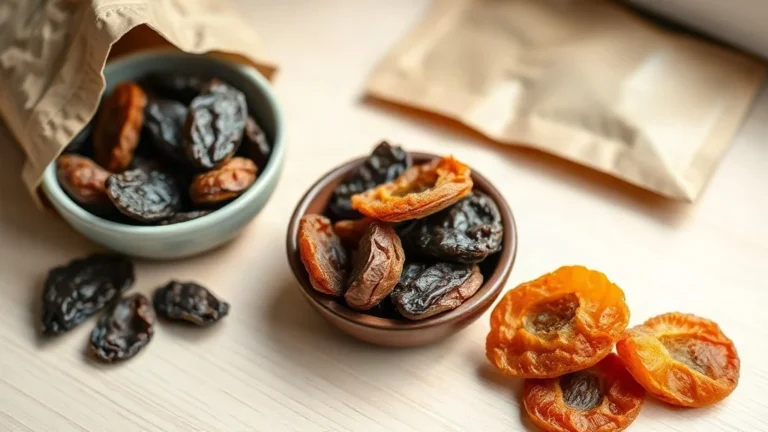
Unsulfured dried apricots usually turn brown as they dry and age. That darkening is expected and is not, by itself, evidence of spoilage. Orange fruit often has been treated with sulfur dioxide, but the ingredient list is the place to confirm this.
Neither color guarantees a better product. If you are avoiding sulfites, buy based on the label rather than choosing the darkest pieces from an unlabeled display.
Check condition and packaging
- Choose intact packaging with a readable date and storage instructions.
- Look for fruit without visible fuzzy growth, insects, or unexplained wet patches.
- Avoid packs with a sour, fermented, or otherwise unusual smell when opened.
- Check whether the pieces are pitted, especially before using them in children’s food or putting them in a blender.
- Buy a smaller pack first if you are unsure whether you prefer a soft or firm texture.
A little stickiness can be normal because the fruit contains concentrated sugar. However, heavy condensation inside a pack deserves attention, especially if the product has been stored somewhere warm.
What Does a Serving Provide?
A 30-gram portion of plain dried apricots provides roughly 70 calories, 19 grams of carbohydrate, and 2 grams of fiber. Exact values vary with moisture content and processing, so use the nutrition label on your own pack.
That serving typically contains around 16 grams of naturally occurring sugar and about 350 milligrams of potassium. It also provides a modest amount of iron and carotenoids, some of which the body can convert into vitamin A.
These nutrients have different roles. Fiber contributes to overall digestive health, potassium supports normal nerve and muscle function, and vitamin A supports normal vision and immune function. None of this makes dried apricots a treatment for constipation, high blood pressure, or an eye condition.
They are also not a reliable way to correct iron-deficiency anemia. The iron amount in a snack-sized portion is modest, and plant-derived iron is not absorbed as efficiently as some animal-derived iron. Diagnosed deficiency needs an appropriate assessment and treatment plan.
Drying does not preserve every nutrient equally. Vitamin C is vulnerable to processing and storage, so do not count on dried apricots as a major vitamin C source.
Set the Portion Before You Snack
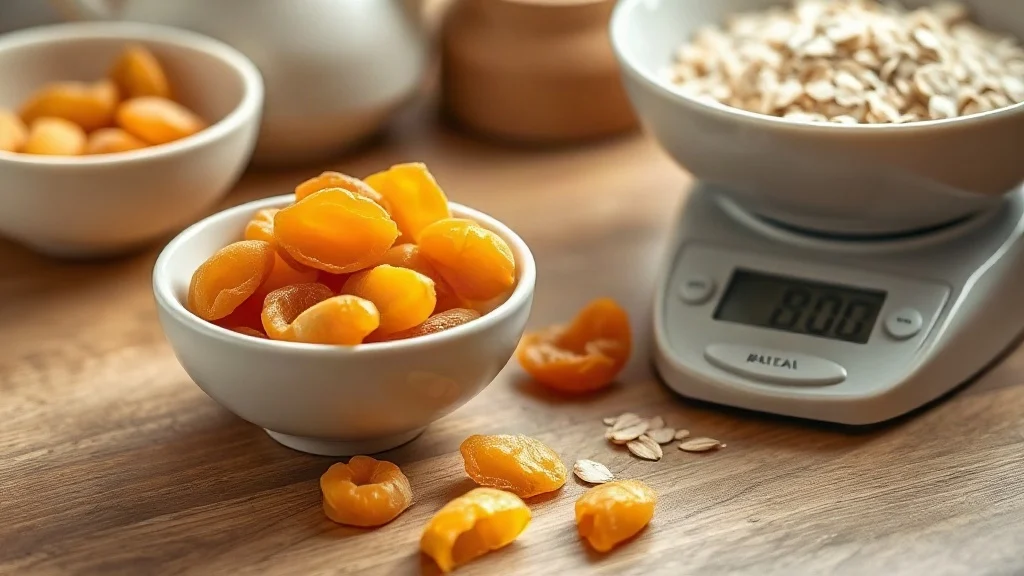
About 30 grams is a practical starting portion for dried apricots, not a universal prescription. Weigh that amount once to see what it looks like, because the number of pieces varies considerably with fruit size.
The main trap is volume. Several dried pieces are easy to eat quickly, whereas the original fresh fruit contained more water and took up more space. A generous handful can therefore contribute more carbohydrate and calories than expected.
Put your portion in a bowl and close the bag. If you want a more substantial snack, pair it with plain yogurt or a small portion of unsalted nuts. That adds protein or fat without needing to make the dried-fruit serving larger.
For someone managing diabetes, “natural sugar” still counts as carbohydrate. Use the pack’s total carbohydrate figure, fit the portion into your usual eating plan, and monitor your individual response if advised by your clinician. Dried apricots do not automatically need to be excluded, but an unmeasured handful makes planning harder.
Apricot dry fruits can also be useful when you need portable food for a walk or a busy commute. Carry a measured portion rather than relying on a large resealable bag as your serving guide.
Use Them Beyond the Snack Bowl
Dried apricots work in both sweet and savory meals because they add concentrated fruit flavor without much liquid. Chop them finely when you want sweetness distributed through a dish rather than isolated in large chewy pieces.
Add to breakfast
For one bowl of porridge, try 15 to 20 grams of chopped dried apricots. Add them while the oats cook so the pieces soften and flavor the porridge. Taste before adding honey or sugar.
For overnight oats, stir small pieces into the mixture before refrigerating. They soften as they absorb moisture. Keep the finished mixture refrigerated, especially when it contains milk or yogurt.
Balance savory dishes
Add chopped apricots to lentil dishes, couscous, rice pilaf, or a slow-cooked stew. Their sweetness works particularly well with tart ingredients such as lemon juice and with spices such as cumin or cinnamon.
For a first attempt, use about 40 grams in a dish serving four people. That is a cooking starting point, not a nutrition rule. Add more only after tasting; too much dried fruit can turn a savory meal noticeably sweet.
Soften before blending or baking
If the fruit is too firm to chop comfortably, cover it with warm water for 10 to 20 minutes, then drain. Tougher pieces may need longer. Use a knife to check for any remaining stone fragments before blending.
In baking, dice the fruit so it spreads evenly through the batter. Do not assume you can remove all the sugar from a cake recipe simply by adding apricots: sugar also affects structure, moisture, and browning. Use a recipe designed around dried fruit when making larger changes.
Keep the Pack in Good Condition
Store dried apricots in a tightly closed container away from heat, light, and moisture. Follow the package instructions first, because softer, higher-moisture products may need different handling from firmly dried fruit.
A cool cupboard may be suitable for products labeled for room-temperature storage. In a hot or humid kitchen, refrigeration can help maintain quality. Use an airtight container so the fruit does not absorb refrigerator odors or moisture.
Label the container with the opening date and keep the original best-before information. For a large purchase, divide the fruit into smaller containers so the entire supply is not exposed every time you take a serving.
Always use dry hands or a dry spoon. Adding moisture through wet utensils creates conditions that can encourage spoilage.
Once you soak dried apricots, treat them as a perishable food rather than a shelf-stable snack. Refrigerate them promptly in a covered container and prepare only what you expect to use soon. Discard moldy fruit; washing does not make it safe.
Who Should Take Extra Care?
Dried apricots need extra consideration for people with sulfite sensitivity, prescribed potassium restrictions, or digestive symptoms triggered by dried fruit. Their chewy texture also matters when serving young children or anyone with swallowing difficulties.
If a clinician has advised you to limit potassium because of kidney disease or another condition, check whether dried apricots fit your plan. A small volume can supply a meaningful amount of potassium, and suitable portions depend on your individual treatment.
Large servings may cause gas, cramping, or loose stools in some people. Apricots contain fiber and sorbitol, a naturally occurring sugar alcohol that can be poorly absorbed. If you are sensitive to these foods, start with a small amount rather than adding a large serving to an already fiber-heavy meal.
For young children, avoid offering large, tough pieces. Soften and finely chop the fruit into an age-appropriate texture, supervise eating, and follow your local child-feeding guidance. Simply cutting one piece in half may still leave a chewy mouthful.
Dried fruit can cling to teeth. Having it with a meal rather than grazing on it throughout the day reduces repeated exposure to sugars; regular brushing with fluoride toothpaste remains essential.
Frequently Asked Questions
These answers cover common preparation and shopping questions about dried apricots. For an individual medical restriction, follow your clinician’s advice rather than a general serving suggestion.
Do dried apricots need to be soaked before eating?
No. Ready-to-eat dried apricots can be eaten without soaking. Soaking is useful when the fruit is too firm or when you want a softer texture for cooking; it does not remove all the sugar or make a larger portion nutritionally equivalent to a smaller one.
Should I wash dried apricots?
Follow the package directions. Packaged fruit labeled ready to eat generally does not need washing. If rinsing is recommended, rinse only the amount you will use rather than wetting the whole pack and returning it to storage.
Are brown dried apricots bad?
No. Brown coloring is normal in many unsulfured dried apricots. Judge their condition by the storage history, package instructions, smell, and signs of spoilage such as fuzzy mold, rather than by brown color alone.
Can I eat dried apricots during pregnancy?
Dried apricots can be part of a balanced pregnancy diet when handled safely and eaten in suitable portions. They are not a replacement for prenatal supplements or treatment for low iron. If you have gestational diabetes, include their carbohydrate content in your prescribed eating plan.
Are apricot kernels the same as dried apricots?
No. Dried apricots are the fruit flesh; apricot kernels are the seeds inside the stones. Kernels can release cyanide when eaten and should not be used as a substitute for dried fruit or as a home health remedy.