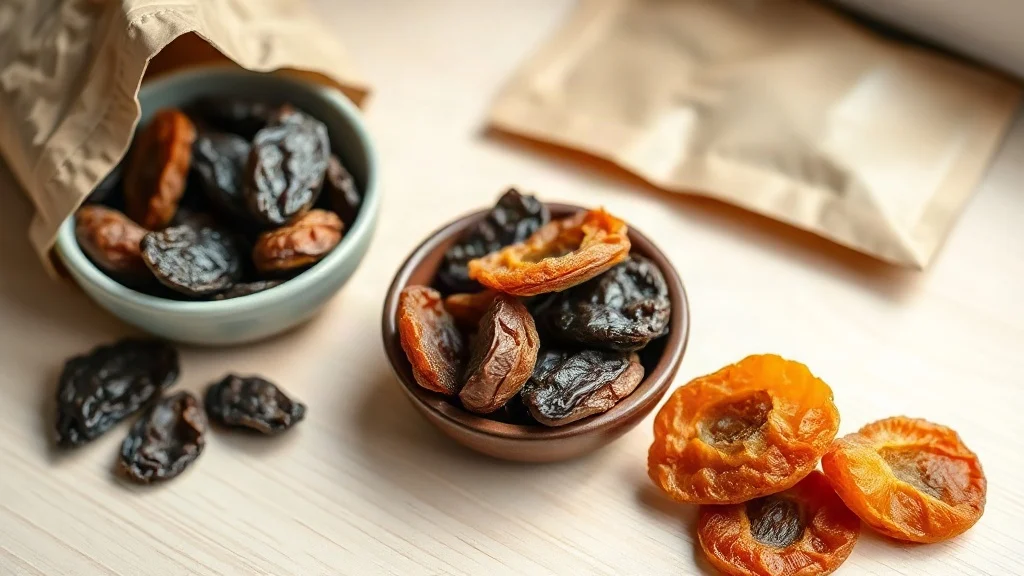
When buying dried apricots unsulphured, look for a clear statement that no sulphur dioxide has been added. These apricots are usually brown rather than bright orange because they darken during drying. Choose a bag with straightforward ingredients, intact packaging and a size you can finish while the fruit stays fresh.
The darker colour can look surprising if you’re used to orange dried fruit. It is normally expected, not a reason to reject the bag. The more useful questions are whether the apricots suit your taste, whether the label meets your dietary needs and how you plan to use them.
What does unsulphured mean?
Unsulphured dried apricots are apricots dried without treatment with sulphur dioxide, a preservative used to help retain colour and limit deterioration. The term describes processing, rather than the apricot variety or its nutritional quality.
Without that treatment, the fruit develops a brown colour through natural browning reactions. Shades can range from tan to deep brown, depending on the fruit and how it was dried and stored. Colour alone cannot tell you how fresh a bag is.
You may also see the spelling “unsulfured.” It means the same thing. Neither spelling guarantees that the product is organic, contains no added sugar or was dried in the sun.
Apricot variety matters, too. Some varieties have a sharper, tangier flavour, while others taste milder. Drying concentrates those flavours, so two bags labelled unsulphured can taste quite different without either being defective.
Dried apricots unsulphured: check the label
The best buying check is the combination of an explicit unsulphured claim, the ingredient list and the storage instructions. A brown appearance supports what you would expect, but it does not replace those details.
For a plain dried-fruit product, “apricots” may be the only ingredient. Some products include oil to reduce sticking, while others contain additional preservatives or sweeteners. These additions are not automatically a problem, but they should fit what you intended to buy.
- Look for “unsulphured,” “unsulfured” or “no added sulphur dioxide” on the pack or product specification.
- Check for added sugar, syrup or fruit juice concentrate if you want fruit without added sweetening.
- Read any allergen or sulphite declaration, especially if you have a diagnosed sensitivity.
- Check the best-before date and any instructions for refrigeration after opening.
- Choose resealable packaging, or plan to transfer the fruit into a clean, airtight container.
Organic certification answers a different question about production standards. If you want organic fruit that is also unsulphured, look for both claims instead of assuming one from the other.
Buying online or in bulk
When shopping online, inspect the ingredient information for the exact pack size and product you are ordering. A retailer’s general description may cover several products, and photographs may not accurately represent the colour of the current batch.
For bulk purchases, ask how the fruit should be stored and whether a smaller sample is available. A large bag is only good value if you enjoy the flavour and can use it before quality declines.
Compare prices by weight rather than by bag. For example, divide the price by the number of grams, then multiply by 100 to find the cost per 100 grams. That makes a small premium pack and a large refill bag easier to assess fairly.
Choose a texture that suits you
Unsulphured apricots can be soft and sticky or firm and chewy, depending on their moisture content and processing. Softness is not proof of better quality, and a firm piece does not necessarily mean the fruit is stale.
For eating straight from the bag, look for descriptions such as “soft” or “ready to eat” if you dislike a tough chew. For simmered dishes, firmer fruit can work well because it takes up liquid during cooking.
The flavour may have a concentrated sweetness with a tart finish. Some batches have deeper, cooked-fruit notes. If you are trying them for the first time, a small bag is a sensible way to learn whether that flavour suits you.
Reject packaging with broken seals, leaks or unexpected moisture inside. After opening, check for visible mould, insects or a sour, fermented smell. Normal brown colour should not be confused with those warning signs.
Nutrition without the health hype
Unsulphured dried apricots provide fibre and naturally occurring sugars, along with nutrients such as potassium. Removing sulphur dioxide from the processing method does not turn dried fruit into a low-sugar food.
Drying removes much of the water, making it easy to eat the equivalent of several fresh fruits in a few bites. A 30-gram serving of plain dried apricots typically provides about 70 calories, 19 grams of carbohydrate and 2 grams of fibre, although the package label is the best guide for your particular product.
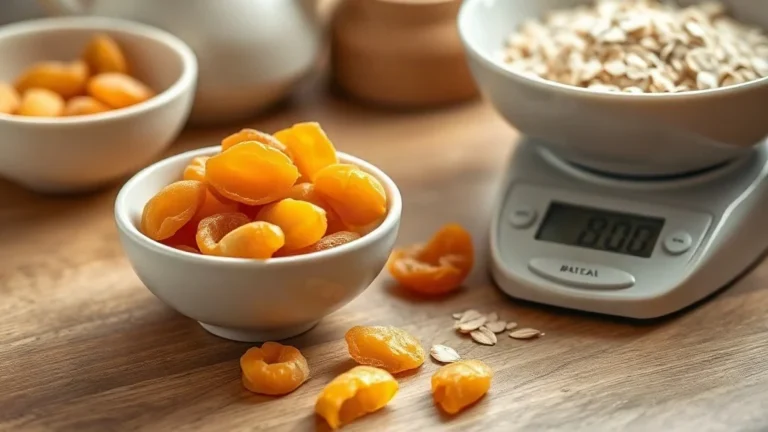
Use a kitchen scale once to see what 30 grams looks like in your bowl. Counting pieces is less reliable because apricots vary in size and may be sold as halves or whole pitted fruit.
For a more substantial snack, add the fruit to plain yoghurt or eat it with a small portion of nuts. This adds protein or fat, rather than leaving you with dried fruit alone. It does not cancel out the carbohydrate in the apricots.
If you manage diabetes, count dried apricots within your carbohydrate intake and use a portion that fits your eating plan. People advised to limit potassium, including some people with kidney disease, should check whether dried fruit fits their individual guidance.
Start small if your digestion is sensitive
A large serving of dried apricots can cause gas, bloating or loose stools in some people. Fibre and naturally occurring sorbitol, a sugar alcohol, can both contribute.
Try a modest amount first rather than eating several handfuls. Increasing the portion gradually gives you a clearer idea of what you tolerate. Unsulphured fruit can still cause these symptoms because removing a preservative does not remove its fibre or sorbitol.
When sulphite avoidance matters
Unsulphured apricots can be useful for people who need to avoid added sulphites, but the label should guide that decision. A product’s colour or an “all natural” description is not enough for someone with a known sensitivity.
Sulphites can trigger reactions in susceptible people, particularly some people with asthma. If you have reacted before, discuss avoidance with a healthcare professional and ask the manufacturer about the product when the labelling is unclear.
“No added sulphites” describes what was added during processing; it should not be treated as a laboratory guarantee of zero sulphites. Also, sulphite sensitivity and an allergy to sulfonamide antibiotics are different issues. Do not assume that a medication allergy automatically requires avoiding these foods.
For shoppers without a sensitivity, the choice can simply come down to flavour, processing preferences and price. There is no need to frame every preservative-free purchase as a medical necessity.
Soften them for the dish
Firm dried apricots become easier to chop and cook after soaking in warm water. Rehydration improves texture, but it does not restore the fruit to the exact texture of a fresh apricot.
Place the amount you need in a bowl and cover it with warm water. Begin checking after about 15 minutes; thicker or particularly dry pieces may need longer. Drain when they are soft enough for your recipe.
For an overnight soak, keep the covered bowl in the refrigerator. Rehydrated fruit is more perishable than dry fruit, so prepare only what you need and use it promptly.
- For porridge, chop a few pieces and add them while the oats cook so the fruit softens in the same liquid.
- For a savoury stew, cut apricots into pieces and add them during simmering. Their sweetness works well with chickpeas, lentils or chicken.
- For baking, soften very dry fruit before adding it to a dough or batter so it does not draw as much moisture from the surrounding mixture.
- For a quick compote, simmer chopped fruit with enough water to prevent sticking until tender. Taste before adding any sweetener.
Kitchen scissors can be easier than a knife for sticky pieces. Cut one piece at a time, and check for any hard pit fragment before adding the fruit to food.
Keep the bag fresh after opening
Store unsulphured dried apricots in a tightly closed container, away from heat, sunlight and moisture. Follow the pack’s instructions because moisture levels and processing methods differ between products.
A cool cupboard may suit a product labelled for room-temperature storage. A warm kitchen, a very soft product or a large bag that will stay open for a while may make refrigeration the better option, provided that follows the manufacturer’s guidance.
Use a clean, dry utensil to remove fruit. A wet spoon introduces moisture, while leaving the bag open can allow the apricots to become harder or expose them to pantry pests.
Do not rely on a universal “lasts six months” rule. The best-before date, time since opening and storage conditions all matter. Visible mould, an off smell or evidence of insects means the fruit should be discarded; soaking or cooking is not a reliable way to rescue spoiled food.
Frequently asked questions
These practical questions cover handling and serving unsulphured dried apricots once you have chosen a bag.
Do I need to wash unsulphured dried apricots?
Packaged dried apricots labelled ready to eat generally do not need washing unless the manufacturer says otherwise. If you rinse them, rinse only the portion you will use and eat or cook it promptly. Washing does not reliably remove sulphites from treated fruit.
Can I freeze unsulphured dried apricots?
Yes. Divide them into useful portions and seal them in freezer-safe containers or bags with excess air removed. Thaw a portion in the refrigerator while it is still sealed. Freezing can extend storage, although the texture may change after thawing.
Are pitted dried apricots completely free of stones?
Pitted dried apricots can occasionally contain a whole pit or a fragment despite processing checks. Inspect pieces as you cut them, especially when preparing food for children. Remove any hard fragment before serving.
Can young children eat dried apricots?
Whole or large chewy pieces of dried apricot can be a choking hazard for young children. Soften the fruit and prepare it in a texture and size appropriate to the child’s eating abilities. Serve children seated and supervised, and seek age-specific feeding advice if you are unsure.
Further reading: Dried Apricots | Bon Appétit