
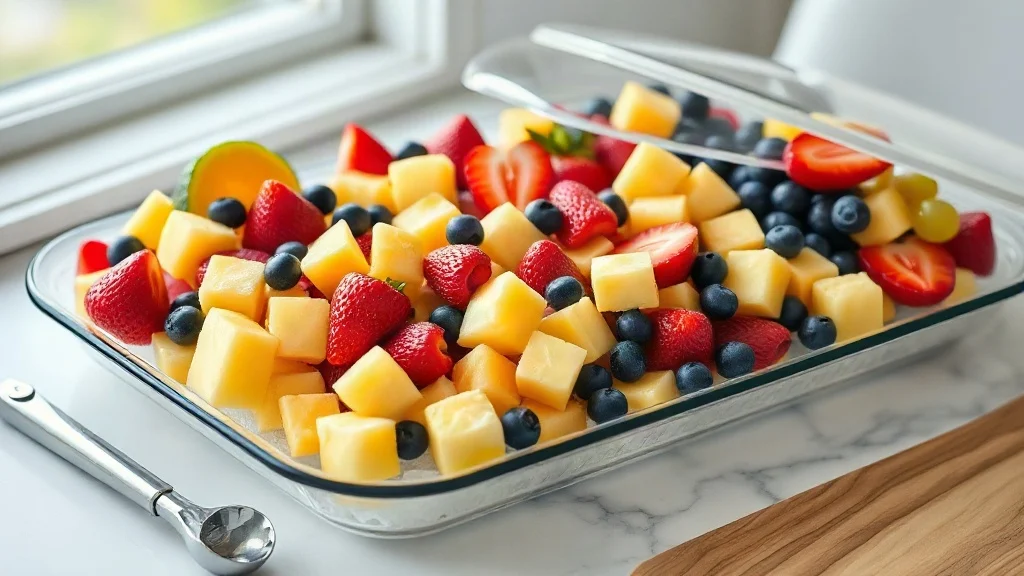
Guests arrive tomorrow, and you need something fresh on the table without spending the morning cutting melon. A Whole Foods fruit platter could solve that problem, but you still need to confirm what your local store offers, how much fruit you are getting, and when you can collect it.
To buy a fruit platter from Whole Foods Market, check the ordering options for your selected store or contact its prepared foods team. Availability, fruit selection, prices, and advance-order requirements can vary. Confirm the tray’s size, ingredients, pickup time, and storage instructions before paying, rather than relying on an older menu or photo.
Find a Whole Foods Fruit Platter Locally
Start with the Whole Foods Market location where you actually plan to shop. A fruit tray shown for another store does not establish availability at yours, and a general grocery search may miss items offered through a separate catering menu.
Select your store on the retailer’s website, then look for catering, prepared foods, or entertaining options. If you cannot find a plain fruit platter, contact the store and ask whether it sells ready-made trays, accepts advance orders, or only carries packaged cut fruit.
Be specific about what you want. An assorted cheese-and-fruit tray is a different purchase from a fruit-only platter, particularly when guests avoid dairy or you already have cheese on the menu.
- Ask for a fruit-only tray if you do not want cheese, crackers, or dip.
- Check whether the item is available for your event date, not simply listed online.
- Confirm the order deadline and any cancellation rules.
- Ask whether substitutions can change the fruit selection.
- Verify the pickup location, since catering collection may differ from ordinary grocery pickup.
If the event is soon, call before building the rest of your menu around the tray. Store staff can clarify what is possible; an unconfirmed listing cannot.
How Much Fruit Will You Need?
For planning purposes, allow roughly one-half cup of prepared fruit per person alongside a substantial meal, or three-quarters to one cup when fruit is a main snack. These are practical estimates, not Whole Foods serving specifications.
The rest of the menu matters more than the number of people alone. At a brunch with pastries, eggs, and yogurt, guests may take a small scoop. At an afternoon gathering with few other snacks, they may return for more.
A workable plan for 20 guests
For 20 people, a one-half-cup allowance means about 10 cups of prepared fruit. At three-quarters of a cup each, you would need about 15 cups. Use that calculation to check whether a tray’s stated serving count fits your event.
If the listing provides only weight, ask what portion size the serving estimate assumes. Weight and volume are not interchangeable: a cup of loosely arranged strawberries will not necessarily weigh the same as a cup of tightly packed melon cubes.
Plan for edible fruit, not the weight of whole produce. If you supplement a tray with a whole pineapple or melon, the rind, core, and other trimming will reduce the amount you can serve.
Allow for the way guests eat
A seated meal usually makes portions easier to predict than a long, self-serve open house. For an event where people arrive in waves, keep additional fruit refrigerated and refill the serving dish as needed.
You do not have to increase every item equally. If your guests particularly enjoy berries, buy a small supplementary package rather than ordering an entire extra tray that may leave you with more melon than you need.
Check the Contents and Total Cost
A fruit platter’s value depends on its usable quantity, fruit mix, and preparation, not just its advertised serving count. Confirm the current price and contents for your selected store before deciding whether the purchase fits your budget.
There is no reliable nationwide price to quote without a current, store-specific listing. Tray size, organic ingredients, local availability, and order method can affect what you are offered.
Ask for the fruit selection if the description is vague. Melon, pineapple, grapes, and berries are examples of platter ingredients, not a guaranteed Whole Foods assortment. A product photograph may illustrate the presentation without promising every fruit pictured.
- Check whether the price includes the serving tray and lid.
- Look for any applicable delivery, service, or other checkout charges.
- Ask whether serving utensils are supplied.
- Confirm whether dips or garnishes are included or sold separately.
- Keep the order confirmation so you can check the item at collection.
For a basic cost check, divide the total tray price by the number of guests you realistically expect it to serve. Use your own portion plan rather than assuming the largest advertised serving count matches a hungry crowd.
Organic and dietary requests
Do not assume every fruit platter from Whole Foods Market is entirely organic. Look for explicit labeling or ask which ingredients are organic, especially if that distinction affects your purchase.
Plain fruit can suit many dietary preferences, but the complete tray still needs checking. Yogurt dip introduces dairy, honey matters to some vegan guests, and accompanying crackers or cheese change the ingredient and allergen picture.
For a serious food allergy, ask about preparation practices and shared equipment as well as ingredients. A fruit-only description does not establish that a product is free from cross-contact.
Choose Fruit That Suits the Event
The best fruit selection for a gathering is easy to serve and appropriate for the guests. Consider eating utensils, the length of service, and any age-related choking risks before requesting a particular assortment.
For a standing reception, fork-sized pieces are less awkward than large wedges with rind attached. At a seated brunch, a broader mix works because guests have plates and somewhere to put them.
Cut apples and pears can brown during service. That does not automatically mean they are spoiled, but it can affect appearance; ask how they are prepared if they feature heavily in the tray.
Juicy fruit creates another practical issue. Keep the platter away from crackers, pastries, and other foods that become soggy when fruit liquid runs into them. Serve any dip in a separate bowl so guests can choose whether to use it.
For young children, do not serve whole grapes as they come on an adult platter. Cut grapes lengthwise into quarters and adjust other pieces to suit the child’s age and eating ability. An attractive tray still needs age-appropriate preparation.
Plan Pickup and Cold Storage
Prepared fruit should stay refrigerated at 40°F (4°C) or below until serving. Schedule collection around your available cold storage, not just the time that is most convenient for errands.
A wide platter can be difficult to fit in a crowded refrigerator. Ask for its dimensions, clear a shelf before pickup, and transport it flat so juice does not leak into the lid or shopping bags.
Use an insulated cooler with ice packs for a long trip or warm-weather transport. Make the fruit your last pickup before heading home, rather than leaving it in the car while completing other errands.
Keep the buffet manageable
Use the standard perishable-food limit of no more than two hours outside refrigeration, or one hour when the temperature is above 90°F (32°C). Count transport and setup time when the fruit is not being kept cold.
For a longer event, put out a smaller amount and keep the reserve refrigerated. Replace the serving dish with a chilled one instead of continually adding fresh fruit to pieces that have been sitting out.
Provide a dedicated serving utensil and keep the platter covered until guests begin eating. If you use ice beneath the serving dish, keep meltwater from entering the fruit and make sure the arrangement actually maintains a safe temperature.
If a Ready-Made Tray Is Unavailable
Packaged cut fruit can provide a practical backup when your store cannot supply a platter. You still avoid most peeling and chopping, although you will need a clean serving dish and a little assembly time.
Use the same portion calculation before buying containers. Check each package’s quantity rather than assuming that several similarly sized tubs contain the same amount of fruit.
Choose fruit that is already labeled ready to eat, follow its storage instructions, and transfer it with clean utensils. Drain excess liquid if needed, but do not leave the containers unrefrigerated while you prepare the rest of the table.
For presentation, group different fruits in separate areas of the dish. This lets guests find what they want and makes it easier to replenish only the section that is running low. Keep delicate berries toward the top rather than beneath heavier pieces.
If you add whole fruit, wash it under running water before cutting. Wash melon rind too, because a knife can carry contamination from the outside into the flesh. Do not use soap or household detergent on produce.
Frequently Asked Questions
Ordering and serving questions often concern details that a product photo cannot answer. These points can help you avoid last-minute changes and unnecessary handling.
Can I get a Whole Foods fruit platter delivered?
Check whether the specific platter is eligible for delivery at your address. Grocery delivery availability does not guarantee that a catering tray can be delivered. Confirm the delivery window and arrange for someone to refrigerate the fruit promptly when it arrives.
Should I wash a prepared fruit platter?
If the platter is labeled washed and ready to eat, additional washing is generally unnecessary. Follow the package instructions. If its preparation status is unclear, ask the store rather than rinsing an assembled tray, which can add water and damage delicate fruit.
Can I pick up a fruit platter the day before a party?
Day-before pickup may work if the store’s use-by guidance allows it and you can refrigerate the entire tray properly. Check the label and ask about quality at your planned serving time. Keep the platter covered and avoid assembling extra garnishes until closer to the event.
Can I freeze leftover fruit from the tray?
You can freeze fruit that has been handled safely, but its texture will usually soften after thawing. Frozen leftovers are often more useful for smoothies than another platter. Do not freeze fruit to rescue it after it has exceeded safe unrefrigerated holding times.
What should I check when I collect my order?
Before leaving, verify that you received the correct tray size and any requested extras. Check that the lid is secure, the fruit is chilled, and the label provides storage or use-by information. Raise missing items or unexpected substitutions with staff while you are still at the store.
Further reading: What Fruit Platter or Dip Is Missing from This Setup