
Kilao benefits for female pregnancy depend on the recipe: walnuts and almonds can provide healthy fats, plant protein, and some fiber, while the grape-and-flour coating supplies energy. Choose a hygienically prepared version without apricot kernels, keep portions modest, and remember that Kilao cannot replace prenatal supplements or treatment for anemia.
The practical question is what is inside the piece you plan to eat. Traditional recipes vary, and a walnut-based snack is nutritionally different from a heavily coated sweet or a product containing apricot kernels. Check the ingredients before treating Kilao as a regular pregnancy food.
What actually goes into Kilao?
Kilao, also spelled Kilawo, is a traditional food associated with Gilgit-Baltistan in Pakistan. Versions described under this name combine nuts with a coating made from grape juice and wheat flour.
Walnuts and almonds are common ingredients. Some versions include apricot kernels, known as khubani giri. Kilao is often associated with winter eating and may be offered during pregnancy or after childbirth as part of family food traditions.
Those traditions do not establish a medical benefit. Neither the name nor an “organic” label tells you how much protein, sugar, or calcium a particular product contains.
Before buying, ask the seller:
- Which nuts or kernels are included?
- Does the coating contain only grape juice and flour, or added sugar too?
- Is there a complete ingredient list and an allergen warning?
- How was the product prepared, and what storage instructions apply?
- Is nutrition information available for a stated serving size?
If the seller cannot identify the ingredients, choose a snack with clearer labeling. During pregnancy, uncertainty about the contents matters more than a claim that a food is traditional or nourishing.
Kilao Benefits for Female Pregnancy: What Is Realistic?
A walnut-and-almond Kilao can contribute useful nutrients to a varied pregnancy diet. The strongest reasons to eat it are ordinary nutritional ones, rather than claims that it improves a baby’s intelligence or prevents pregnancy complications.
Useful energy when appetite is low
Nuts provide energy in a relatively small volume. That can help when you struggle to finish larger meals, although a dense, sweet snack may worsen nausea or reflux for some people.
The grape-and-flour coating adds carbohydrate. Its sugars still count toward your carbohydrate intake, even when no refined sugar has been added. Nuts may make the snack more filling, but they do not guarantee that your blood glucose will stay stable.
Plant protein and unsaturated fats
Almonds and walnuts supply plant protein and mostly unsaturated fats. Protein supports tissue growth and repair, while dietary fat helps your body absorb fat-soluble vitamins.
Use Kilao as one contribution to your diet, not your main protein source. Meals containing beans, eggs, dairy, tofu, fish, or other suitable protein foods usually provide a more substantial amount.
Fiber and selected minerals
The nuts contribute some fiber, magnesium, and other minerals. Almonds also provide vitamin E and some calcium, but a small piece of Kilao is unlikely to supply a large share of your daily calcium needs.
Fiber can support bowel regularity when your overall diet includes enough fluid and other fiber-rich foods. Do not expect a mostly flour-and-grape coating to relieve constipation simply because it contains a few nuts.
Walnuts Provide ALA, Not DHA
Walnuts contain alpha-linolenic acid, or ALA, a plant-based omega-3 fatty acid. They are not a meaningful direct source of DHA, the omega-3 involved in fetal brain and eye development.
Your body can convert some ALA into longer-chain omega-3 fats, but conversion to DHA is limited. Walnut Kilao therefore should not be presented as equivalent to eating suitable low-mercury fish or taking a clinician-recommended algae-based DHA supplement.
Walnuts can still be a useful food. Their fats, protein, and fiber fit into a balanced eating pattern, and plain walnuts offer those nutrients without a sweet coating.
Claims that walnut Kilao improves a child’s intelligence, prevents pregnancy-related hypertension, boosts immunity, or treats insomnia go beyond what can reliably be promised. A food can have nutritional value without producing a specific medical outcome.
Apricot Kernels Need Special Caution
Avoid Kilao containing apricot kernels during pregnancy. Apricot kernels can contain amygdalin, a compound that releases cyanide when consumed, and the amount can vary substantially between kernels.
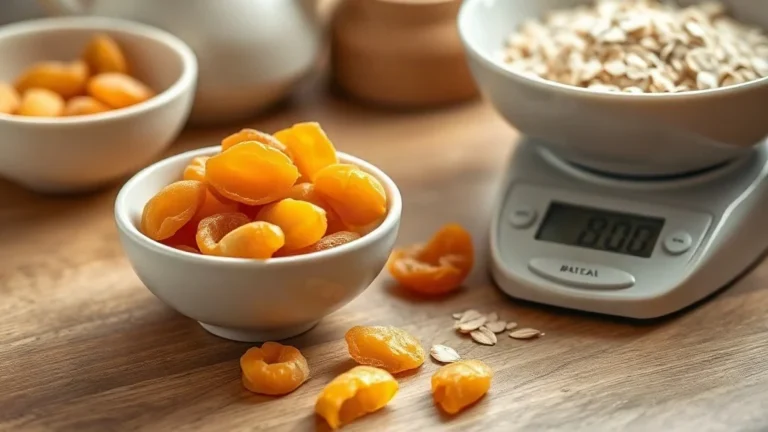
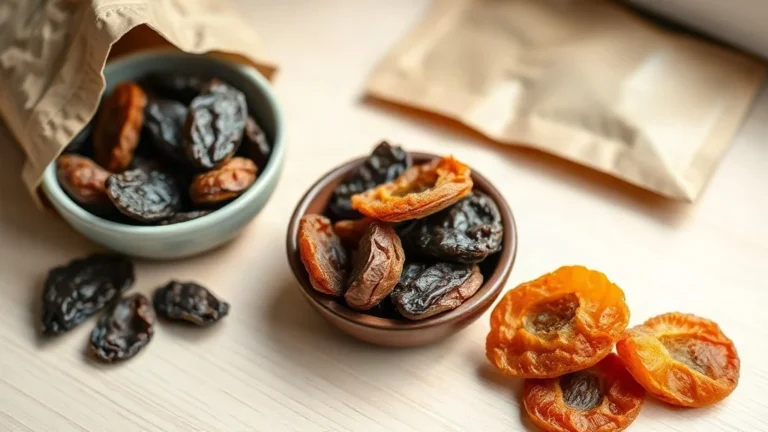
Apricot kernels are the seeds found inside the hard stone. They are different from dried apricot flesh, which is the orange fruit sold as a conventional dried-fruit snack.
A seller may describe kernels as sweet, natural, roasted, or traditionally prepared. Those descriptions do not establish that the finished product is safe. Do not assume that soaking, roasting, or cooking has reliably removed the risk.
Choose a walnut-only or almond-only version with confirmed ingredients instead. This is a more useful precaution than trying to calculate a supposedly safe number of kernels from an unknown batch.
If you have eaten a product containing apricot kernels, seek advice from your local poison service or healthcare professional. Symptoms such as dizziness, headache, vomiting, confusion, or breathing difficulty after eating kernels need urgent medical assessment. Do not wait for a routine prenatal visit if you feel unwell.
Choose a Portion That Fits Your Meals
There is no established pregnancy-specific dose of Kilao. A suitable portion depends on its nut content, coating, nutrition label, and your individual dietary needs.
For a first serving, one small piece is more sensible than a handful of coated pieces. If you use a kitchen scale, a small piece weighing roughly 20–30 grams can be a practical portion-checking example, not a medical recommendation or a proven safe limit.
Check what that piece contains. Twenty-eight grams of plain nuts is a familiar small-handful serving, but the same weight of Kilao includes coating, so it does not provide the same quantity of nuts or the same nutritional profile.
- Put your portion on a plate rather than eating repeatedly from the packet.
- Choose a version where the nuts make up a substantial part of the piece.
- Have it with a meal or a plain, pasteurized yogurt if that suits your appetite.
- Avoid making several sweets part of the same snack without accounting for them.
You do not need a large daily serving to support your baby’s growth. If pregnancy weight gain is below or above the range your clinician recommends, ask for an individualized eating plan rather than adjusting it with Kilao alone.
If you have gestational diabetes
Grape juice, flour, and any added sugar contribute carbohydrate. A product can contain healthy nuts and still raise blood glucose significantly.
Use the total carbohydrate information for your actual portion, if available, and follow your diabetes team’s meal plan and monitoring instructions. When no reliable nutrition information exists, plain unsalted nuts are easier to portion than an unknown sweet coating.
Handle Allergens and Food Safety First
Kilao can contain tree nuts and wheat, so it is unsuitable for people with relevant allergies and for people who need to avoid gluten. Safe preparation and storage also matter during pregnancy.
If you have a walnut or almond allergy, do not try a small bite to test your tolerance. Cross-contact can occur even in a version labeled with a different nut, particularly when products are made on shared equipment.
Pregnancy alone is not a reason to avoid nuts when you tolerate them. Avoiding nuts during pregnancy has not been shown to prevent a child from developing a nut allergy.
For buying and storage, use these checks:
- Choose a producer who can explain the ingredients and preparation process.
- Avoid unpasteurized juice consumed without an adequate cooking step.
- Reject pieces with visible mold, an unusual sour smell, or signs of damp storage.
- Follow the stated storage instructions and shelf life rather than guessing.
- Use clean hands or utensils, and keep the remaining product covered.
Do not assume that every dried-looking Kilao is shelf-stable. Moisture content and preparation vary. If the maker cannot provide sensible storage guidance, that is a reason to choose another product.
Know What Kilao Cannot Replace
Kilao does not replace prenatal folic acid, prescribed iron, or reliable calcium and DHA sources. Any nutrients it contributes should be counted as part of your food intake, not as treatment.
Walnuts and almonds contain some naturally occurring folate, but that does not make a small serving sufficient for preventing neural tube defects. Continue the folic acid or prenatal supplement recommended by your healthcare professional.
Nuts also contain some iron, but the amount in Kilao varies, and plant iron is less readily absorbed than iron from some animal foods. If testing shows anemia, follow the treatment plan rather than relying on a traditional snack.
For calcium, foods such as pasteurized milk, yogurt, calcium-fortified alternatives, and calcium-set tofu can provide more substantial amounts than a few almonds. Persistent fatigue, severe constipation, or frequent muscle cramps deserve attention rather than an assumption that eating more nuts will fix them.
The most defensible Kilao benefits for female pregnancy are modest contributions to energy and nutrient intake. A product-specific promise about preventing complications would require evidence about that product, not just a list of nutrients found in its ingredients.
Frequently Asked Questions
These questions address practical decisions about eating Kilao during pregnancy. Ingredient identification remains the first step, because recipes sold under the same name can differ.
Can I eat Kilao in the first trimester?
A hygienically prepared walnut-and-almond version can fit into your first-trimester diet if you tolerate its ingredients. Avoid apricot-kernel versions, keep the serving small if nausea is a problem, and continue your recommended prenatal supplements.
Is Kilao safe to eat every day during pregnancy?
A small portion may fit into your daily diet, but daily use is not necessary and has no established special benefit. Consider its sugar content, your other snacks, any allergies, and your clinician’s advice if you have gestational diabetes.
Do almonds need to be soaked before eating them?
No. Almonds do not need soaking to be suitable during pregnancy. Soaking changes their texture, but there is no clear reason to expect a meaningful pregnancy-specific nutritional advantage. If you soak almonds, use clean water, refrigerate them, and eat them promptly.
Does Kilao prevent anemia during pregnancy?
No. Kilao may contribute some dietary iron, but it cannot reliably prevent or treat anemia. Blood tests help identify anemia, and treatment may require prescribed iron or investigation of another cause.
Can I eat dried apricots instead of apricot kernels?
Yes, dried apricot flesh is a different food from apricot kernels and can fit into a pregnancy diet. Choose a modest portion because drying concentrates sugars, and follow your carbohydrate plan if you have gestational diabetes.
What should I ask before buying Kilao?
Ask for the full ingredient list, confirmation that it contains no apricot kernels, allergen information, and storage instructions. If those details are unavailable, choose clearly labeled plain walnuts or almonds instead.
Further reading: 10 Best Dry Fruits to Eat Safely During Pregnancy & Benefits